The First Day of the World Decolonization Forum Concludes
By ALPASLAN DÜVEN / LONDON
The first day of the World Decolonization Forum, which brought together thinkers, social scientists, academics, educators, and experts from diverse intellectual traditions spanning South America, Africa, Asia, and Europe, concluded in Istanbul.
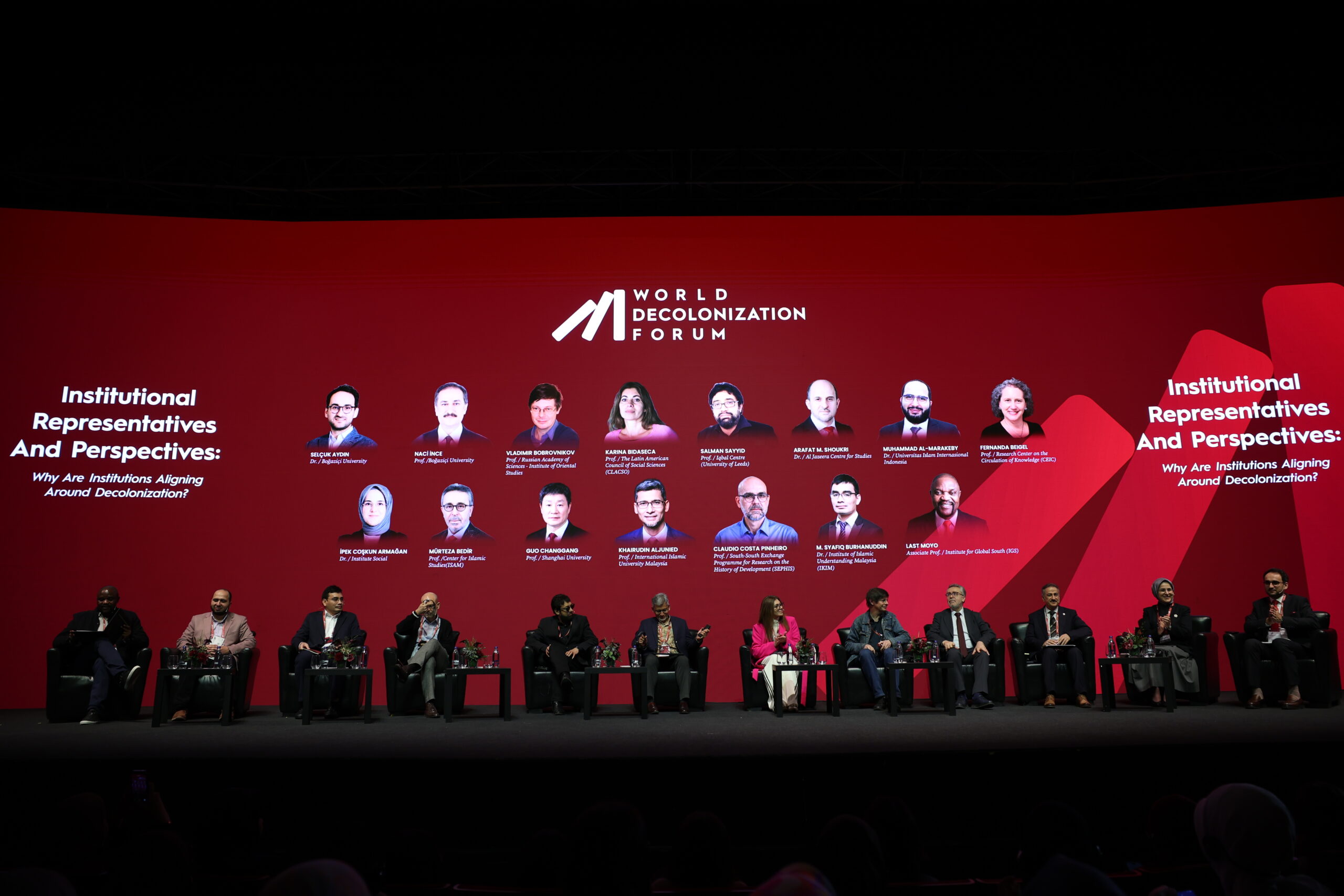
Held at Atatürk Cultural Center, the forum featured a distinguished lineup of participants, including globally renowned decolonial theorist Walter Mignolo; international law expert Mireille Fanon Mendès-France, daughter of one of the twentieth century’s most influential political thinkers, Frantz Fanon; political scientist and author Anne Norton; theorist and sociologist Salman Sayyid; Palestinian educator and thinker Munir Fasheh; Malaysian social scientist Syed Farid Alatas; scholar of Arab politics and intellectual history Joseph Massad; historian Halil Berktay; economist and writer Ann Pettifor; British writer and publisher Afua Hirsch; former South African Minister of Trade and Industry Ebrahim Patel; political scientist Şener Aktürk; historian Ertuğrul Ökten; Çetin Kaya Koç; educational scientist and anthropologist Fatoumata Hane; anthropologist and sociologist Nadia Abu-Zahra; former French footballer and activist Lilian Thuram; psychiatrist and writer Kemal Sayar; philosopher of physics and academic Enis Doko; Merve Kavakcı; Iranian filmmaker Majid Majidi; and Yusuf Islam>.
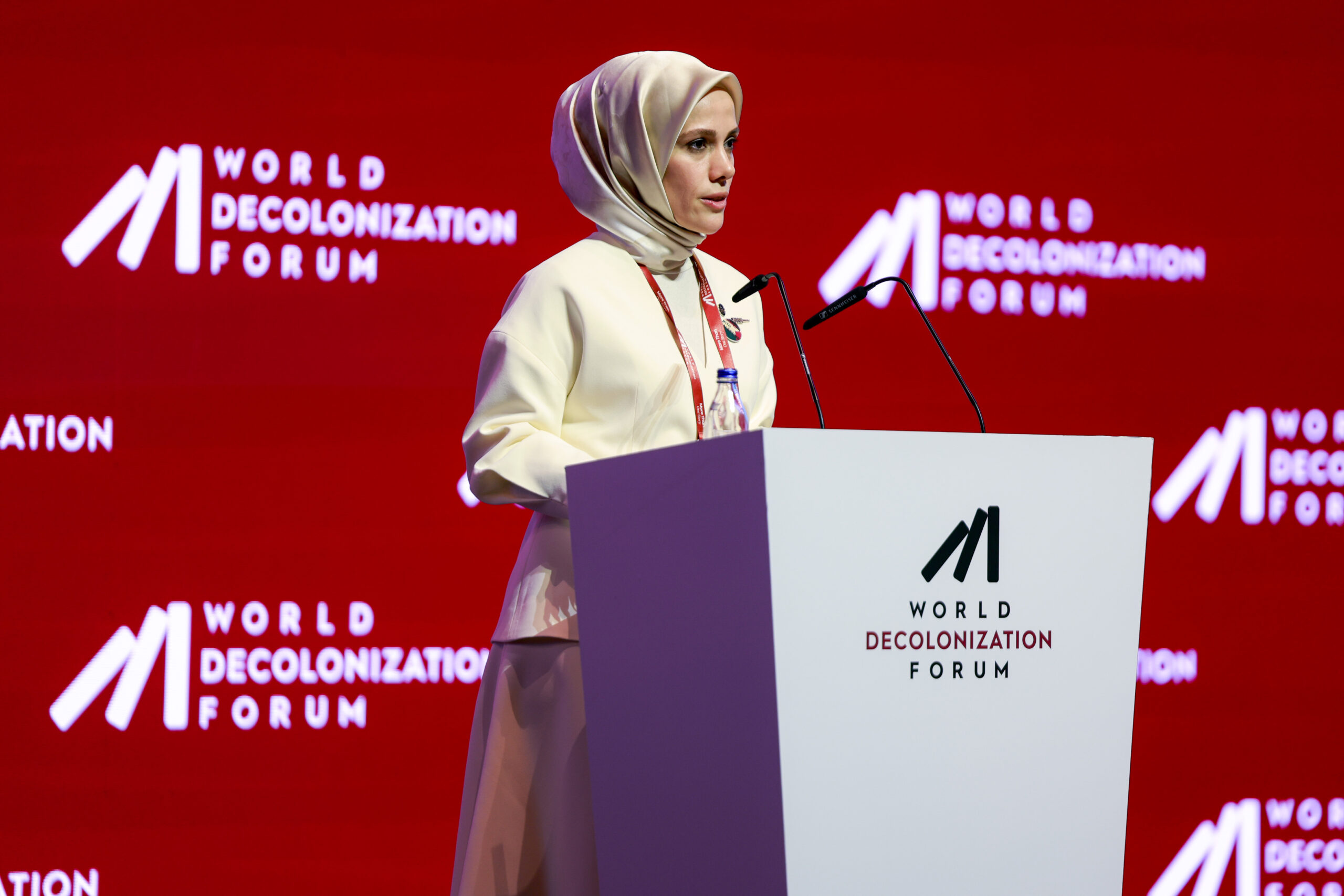
Organized under the theme “Decolonizing the Production and Circulation of Knowledge,” the forum opened with speeches by Esra Albayrak, Chair of the Board of Trustees of the host institution NUN Education and Culture Foundation, and İpek Coşkun Armağan>, General Coordinator of Enstitü Sosyal. The opening session continued with representatives of partner institutions discussing how they came to engage with the decolonization agenda in light of their founding principles and missions, as well as the internal debates and concrete experiences that shaped their positions.
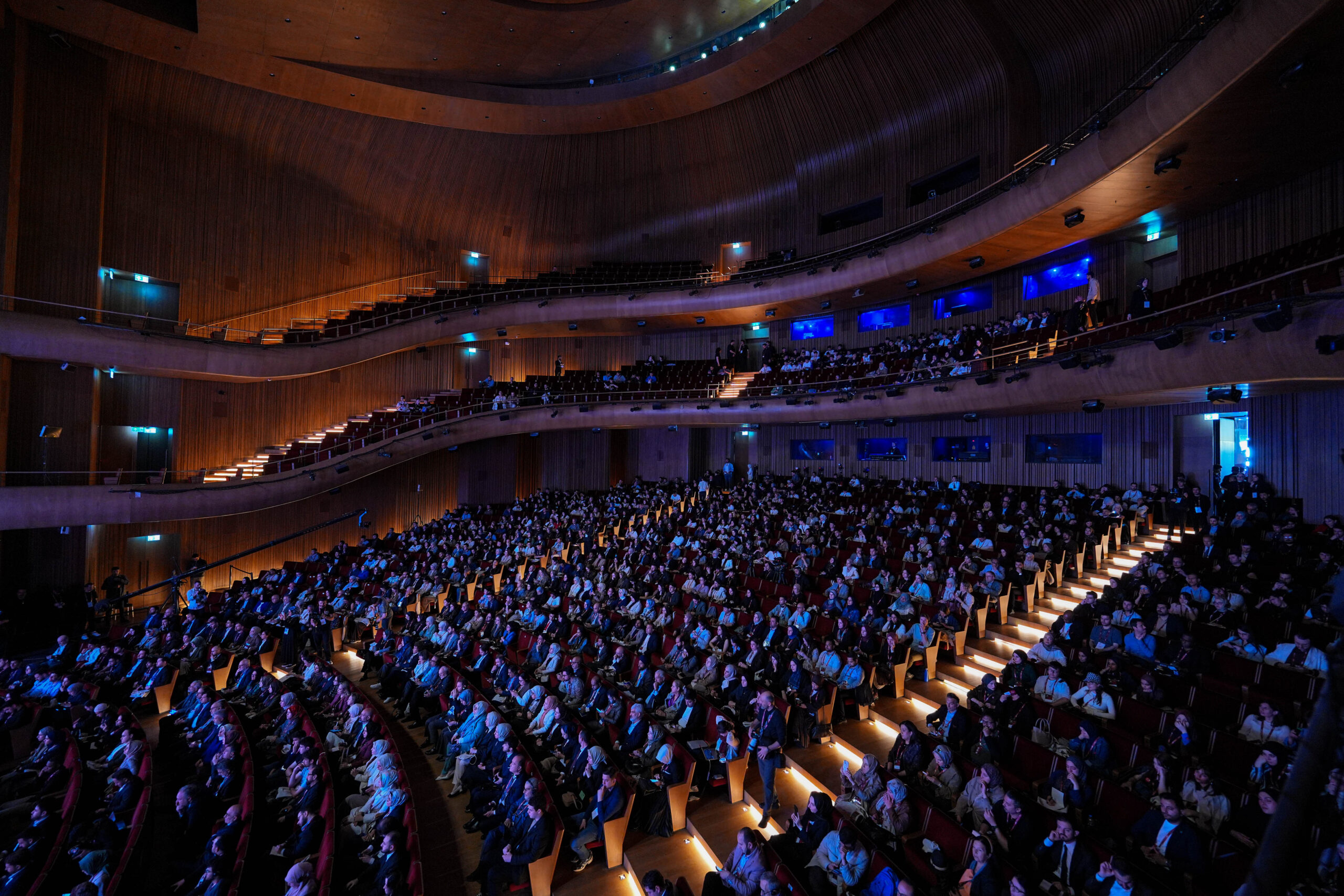
Subsequent sessions addressed the structural inequalities embedded in knowledge production on both epistemic and institutional levels. While the universalist claims of Eurocentric conceptions of science and the historical conditions under which those claims emerged served as a starting point for many discussions, the ideological functions of objectivity and neutrality in the social sciences, the historical relationship between field research and ethnography and colonialism, and the position of indigenous knowledge systems within academic hierarchies also occupied a central place in the agenda.
The forum continued with a musical performance by musician and santur artist Sedat Anar.
In addition to the main sessions, a series of talks titled Decolonial Voice were held throughout the day. Featuring guests such as Elif Bereketli, Kemal Sayar, Yusuf Islam, Sushrut Jadhav, Siba N’Zatioula Grovogui, Vladimir Bobrovnikov, Ebrahim Patel, Ulises Ali Mejiasi, Cemil Aydın, Ahmet Ayhan Çitil, Munir Fasheh, Satvinder Singh Juss, Yakoob Ahmed, and Merve Kavakcı, these conversations approached decolonization as a structural issue operating across a wide range of fields, from music and law to psychiatry, digital infrastructures, historiography, and educational philosophy.
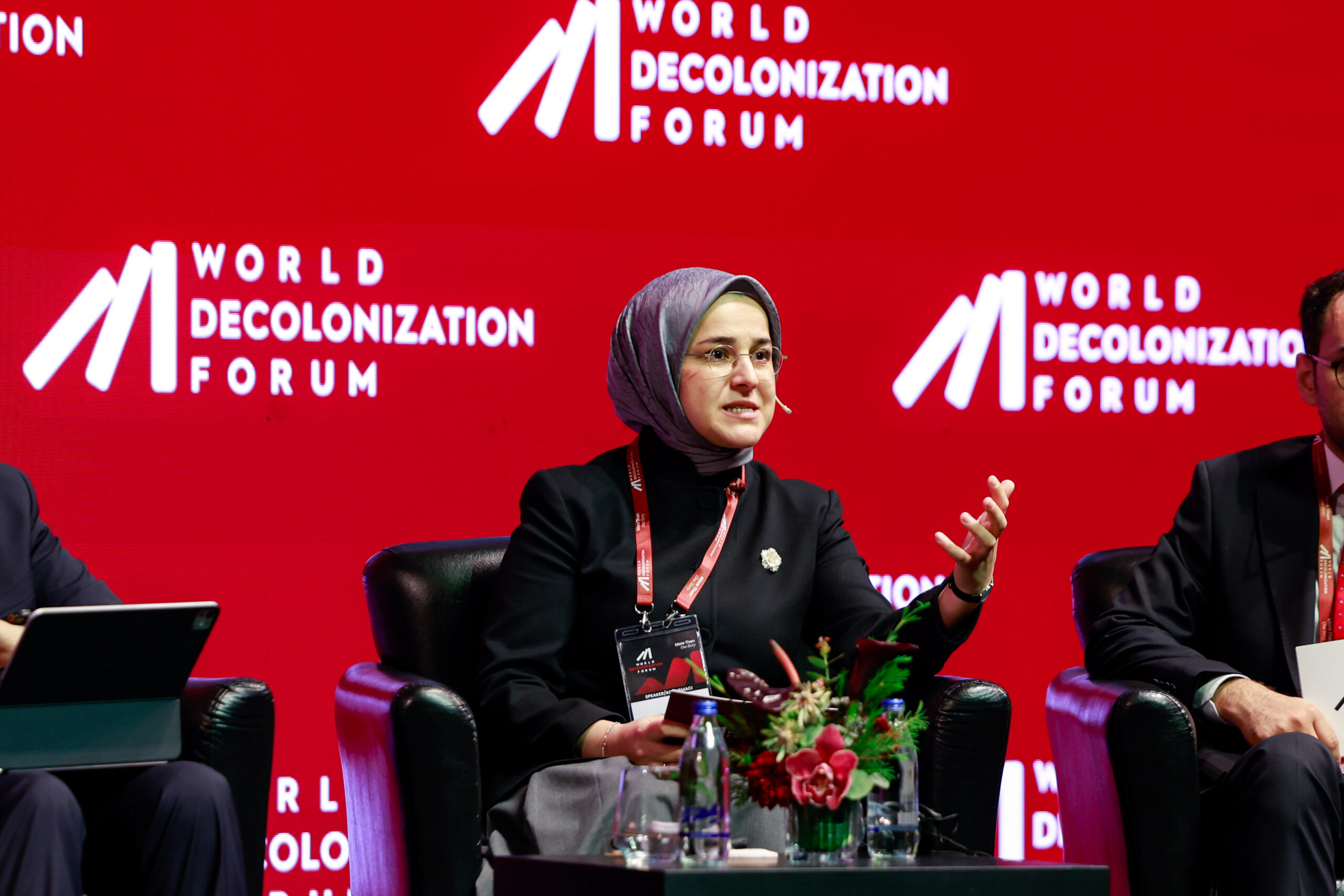
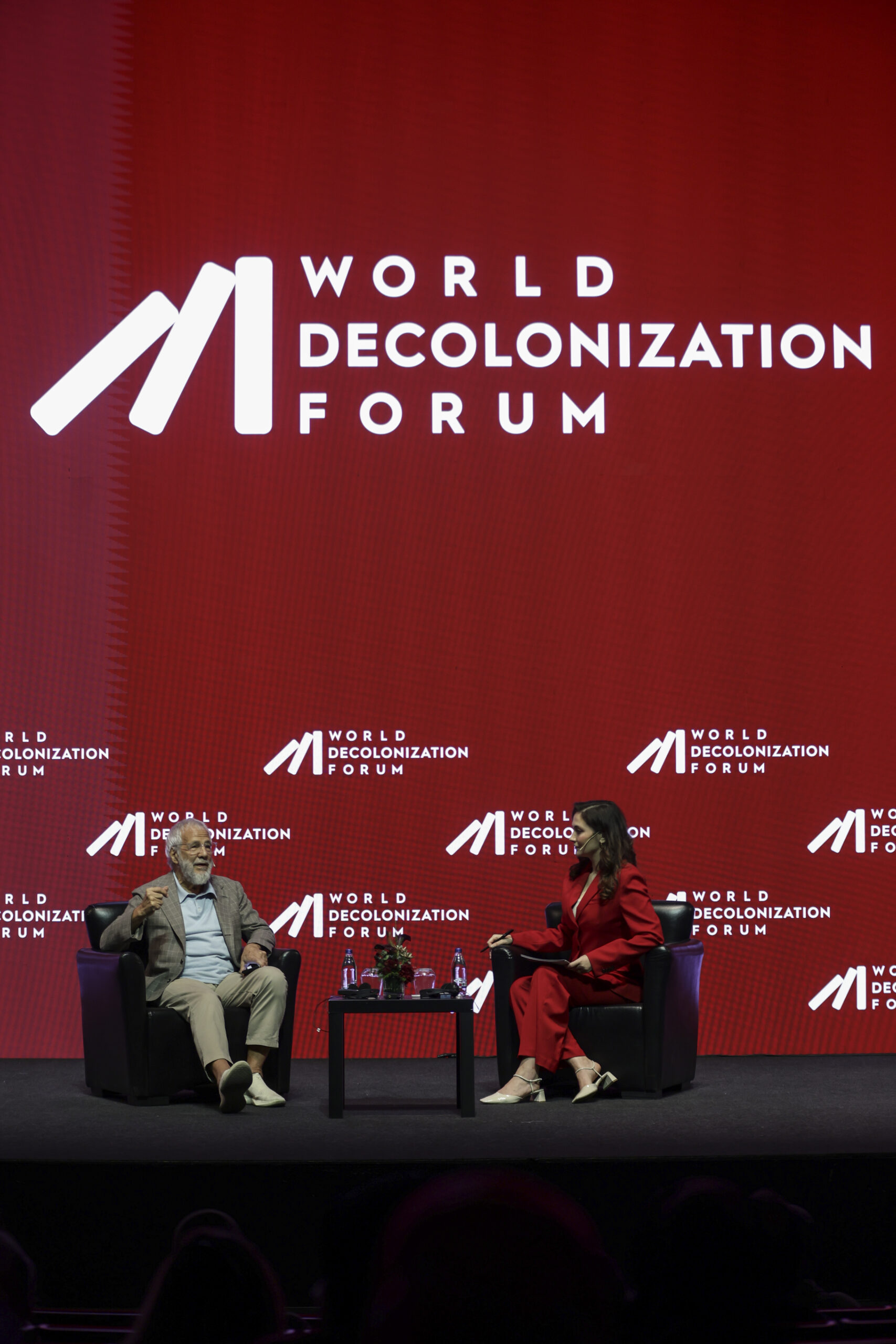
During one session, Kemal Sayar argued that “the universalist claims of Western psychiatry constitute a form of epistemic violence in themselves. It exports the secular, rational, individualistic subject to the rest of the world while erasing the validity of local cultures in the process,” placing psychiatry at the center of colonial dynamics. Reflecting on his own experiences, Yusuf Islam drew attention to hegemonic power structures within the culture industry:
“You can think of the music industry’s mechanisms of control in the same way as colonial systems. They decide who gets through and who does not. I, too, became part of that system. Then came burnout; I lost my inspiration. That was when I decided I would no longer be controlled by other powers. I chose an independent path. And that decision gave me back my voice.”
Parallel to the Decolonial Voice sessions, a number of academic panels were held under the titles Decolonizing Education & Pedagogy: Beyond the Colonial Classroom: Teaching Otherwise, Epistemic Dependency and Economics: The Coloniality of Economics and Rethinking Development, Decolonial Ecology, Conservation, and Indigenous Knowledge: Indigenous Knowledge and Ecological Justice, Decolonial Aesthetics, Affect, and Embodied Knowing: Sensing Otherwise: Affect, Art, and Decoloniality, Decolonizing Feminisms and Epistemic Exclusion: Feminist Knowledge, Epistemic Filters, and Coloniality, and Islam and Decolonial Epistemologies: Islamic Epistemologies Beyond the Colonial Gaze. These sessions featured presentations by seventy-five researchers and academics selected through an international call for papers that received submissions from forty different countries.
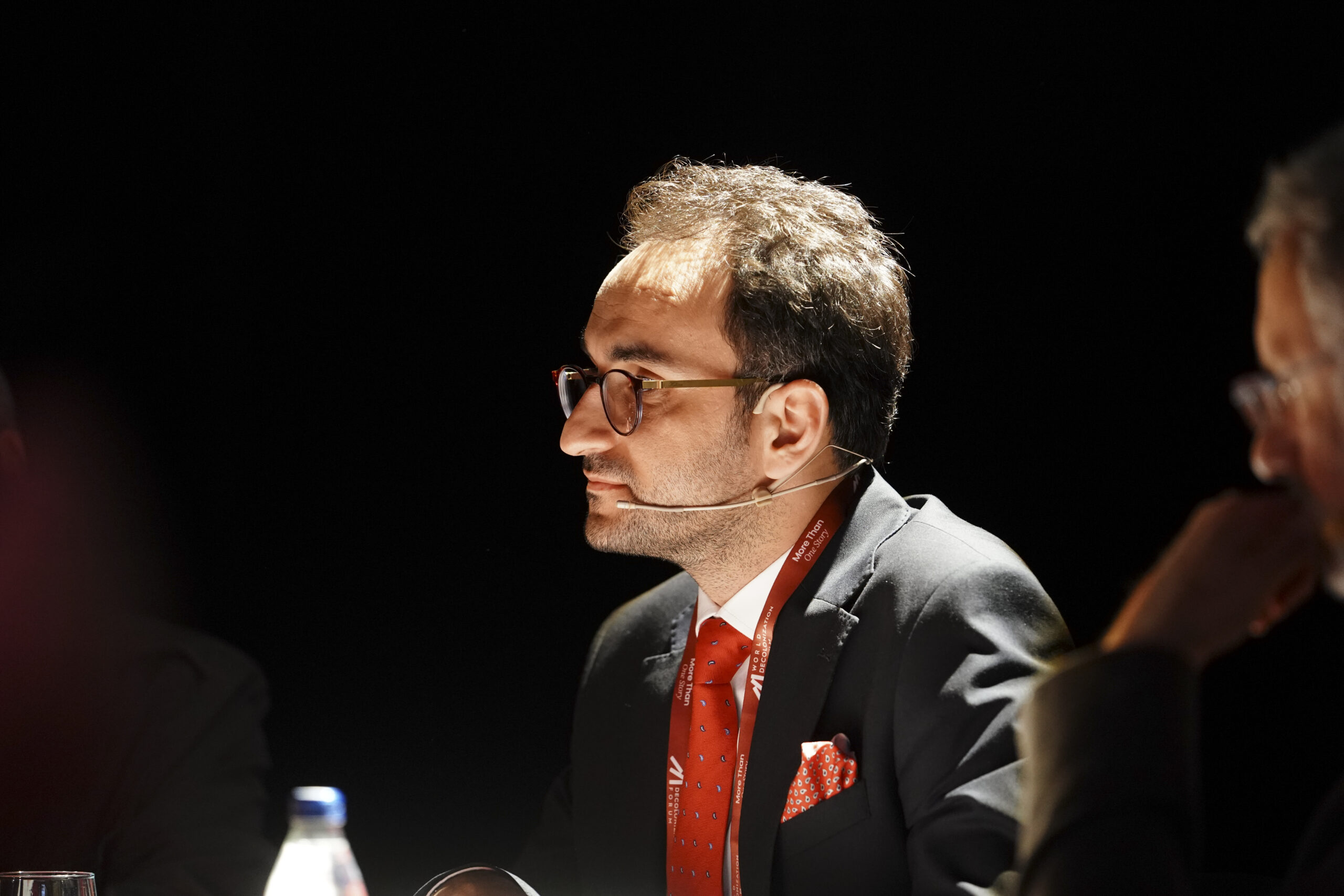
A roundtable discussion titled Decolonization in Humanities and Social Sciences in Türkiye, moderated by Selçuk Aydın, brought together scholars from the fields of philosophy, sociology, history, and political science in Türkiye. With the participation of Ertuğrul Ökten, Ümit Meriç, Ahmet Ayhan Çitil, Süleyman Seyfi Öğün, Faruk Yaslıçimen, Enis Doko, Şule Albayrak, and Yusuf Adıgüzel, the discussion examined from an internal perspective how decolonial thought might relate to Türkiye’s traditions in the humanities and social sciences, and what kind of contribution Türkiye’s unique epistemic position and intellectual heritage could make to decolonial debates.
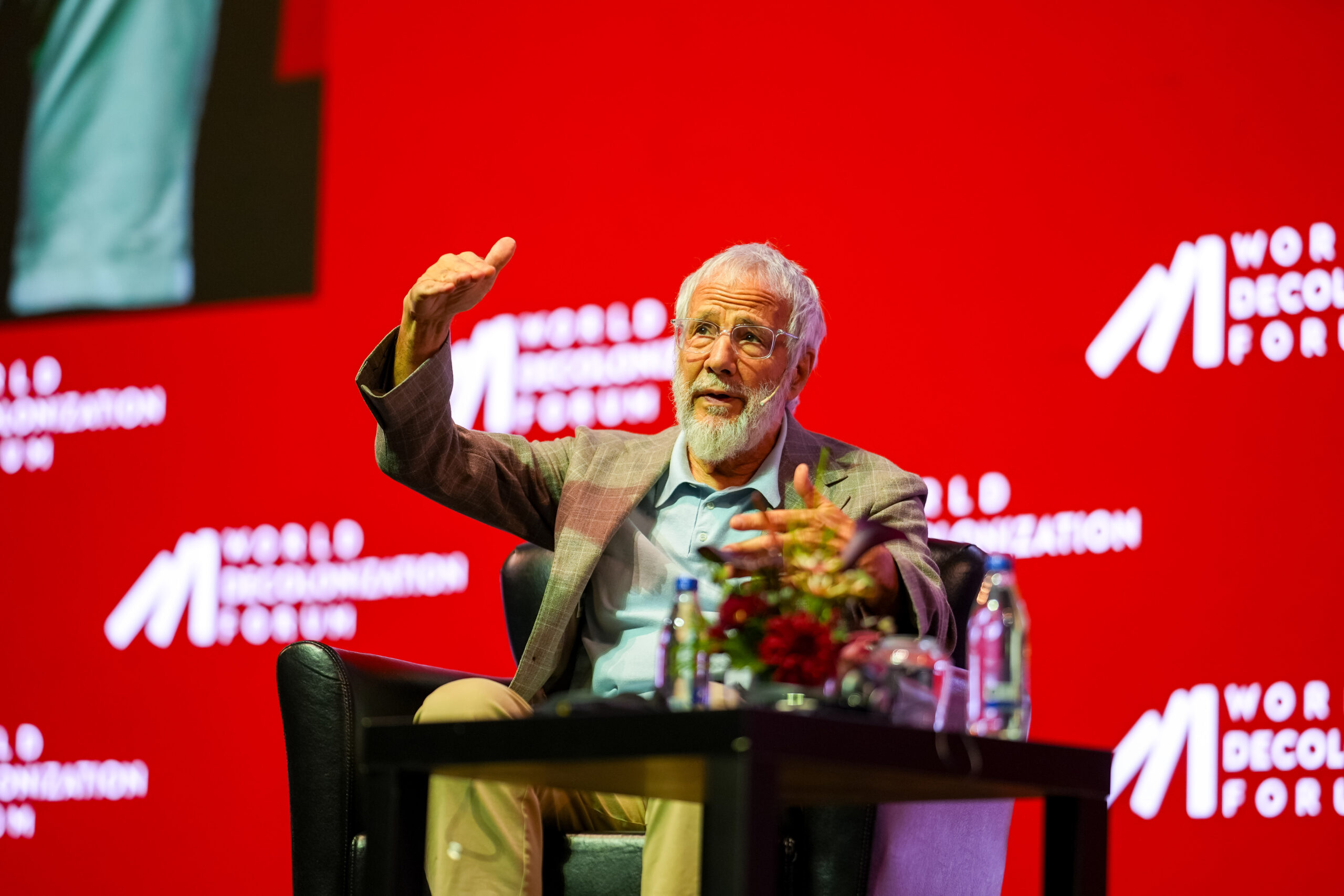
Designed in a distinctive format that placed participants and speakers on equal footing to speak, listen, and think together, the Decolonial Circle session titled Mujaawarah, Living Soils, and Wisdom explored the “Mujaawarah” model both as a pedagogical practice and as an alternative to colonial models of knowledge transmission. Featuring educational scholars Munir Fasheh and Farah Ahmed, the session examined how formal education systems standardize knowledge and invalidate local, oral, and practical forms of knowing, as well as how the Mujaawarah model might function as a form of pedagogical resistance.
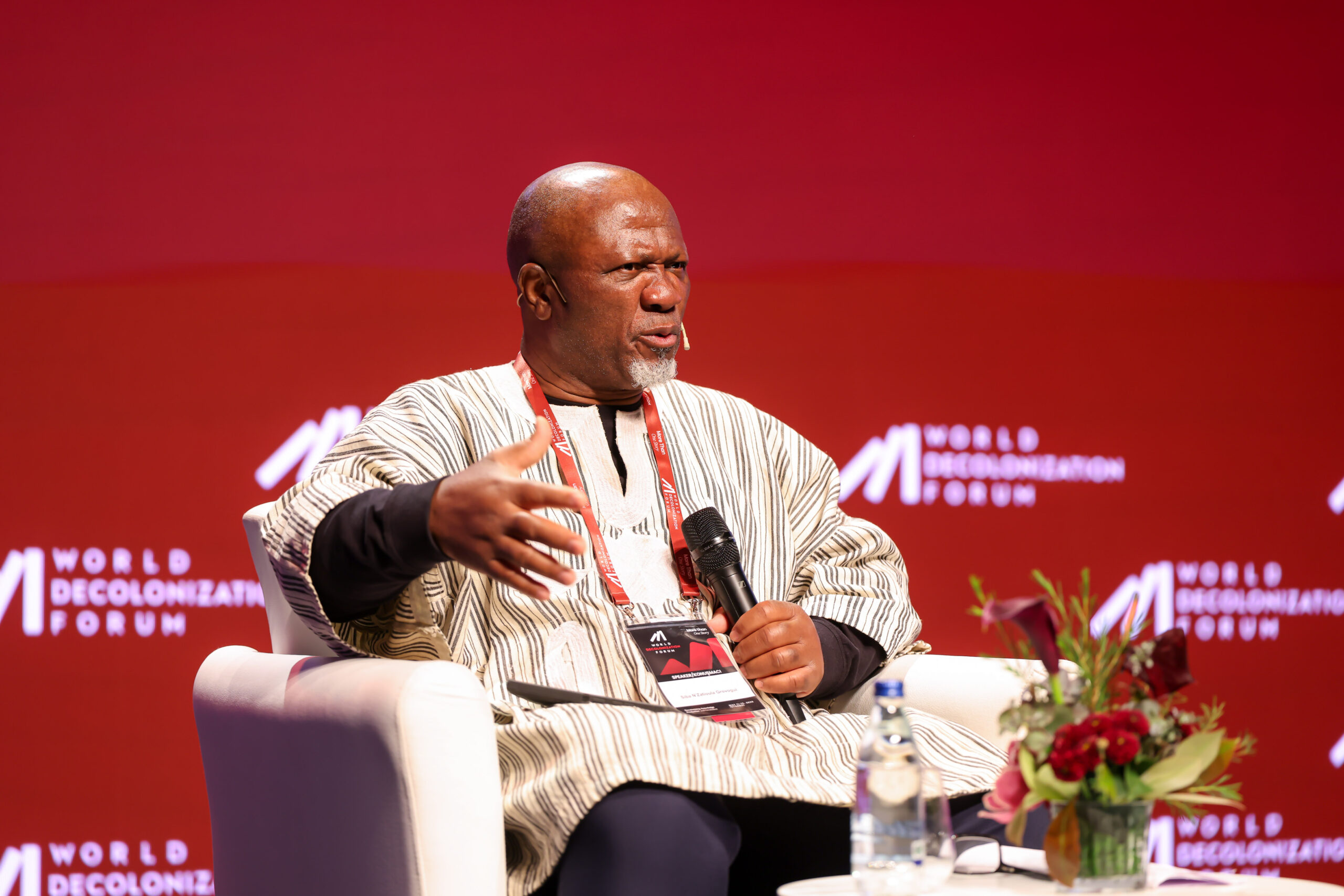
The final session of the day, moderated by filmmaker and poet Faysal Soysal, featured Iranian director Majid Majidi. Held in conversation format under the theme Cinema and Decolonization, the session explored how Iranian cinema diverges from dominant Western cinematic paradigms, the hegemony of Hollywood over global visual culture, and how cinema can speak against colonialism not only through direct political discourse but also through an aesthetic and profoundly human language.
The second day of the forum will continue with sessions focusing on themes such as the decolonization of hegemonic language in the media, settler colonialism in Palestine, the relationship between epistemic dependency and economic domination, and the intersections of biological hierarchy narratives and racism in sports.