“More Than One Story”: World Decolonization Forum
BY ALPASLAN DÜVEN / LONDON
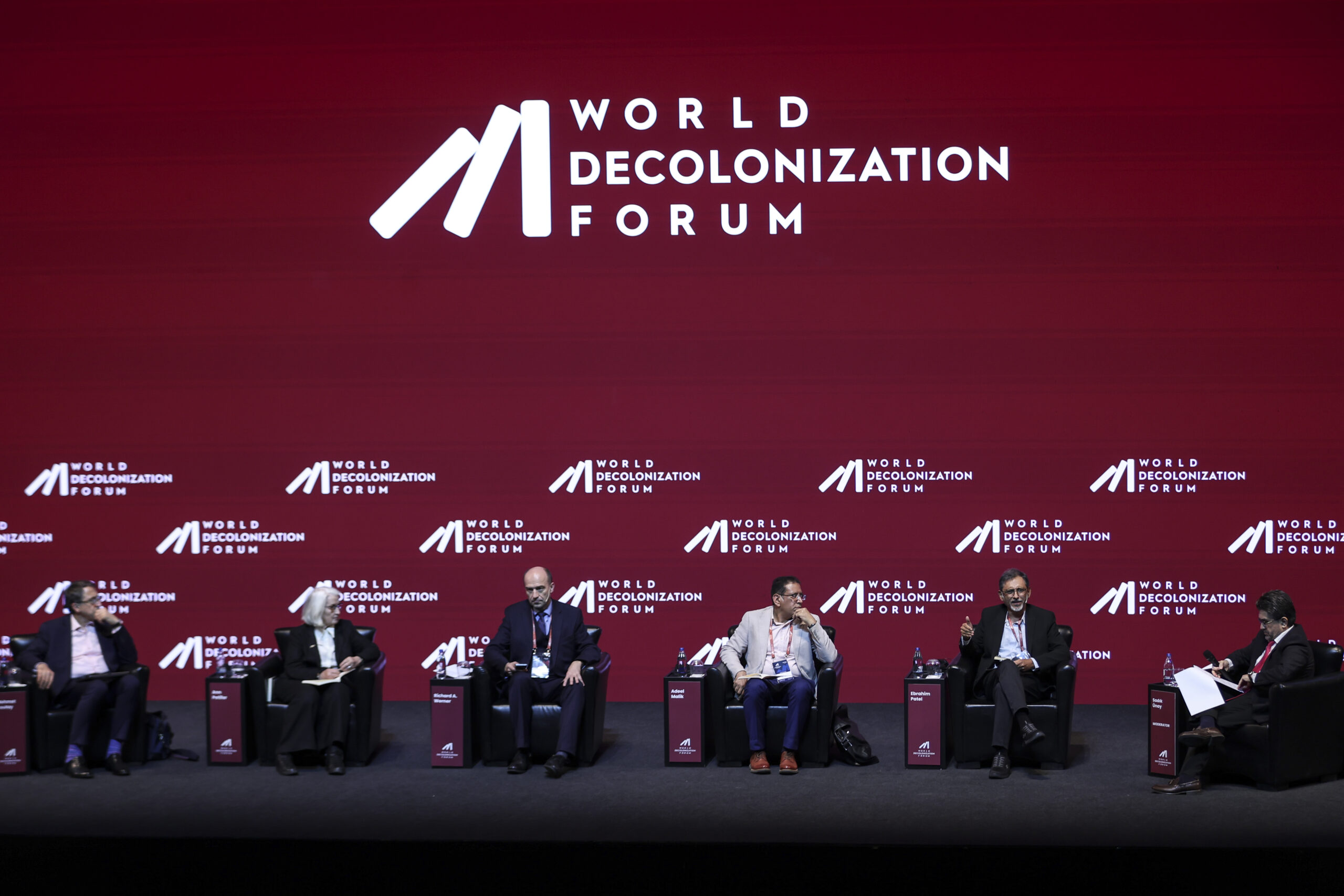
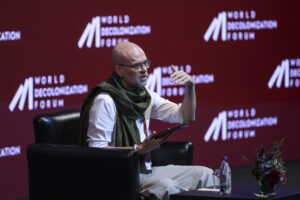
Decolonization Forum, hosted by Institute Social and NÛN Foundation for Education and Culture in partnership with 13 partner institutions from nine countries, has concluded in Istanbul.
The first day’s sessions, held under the theme “Decolonizing Knowledge Production and
Circulation,” examined the structural inequalities of knowledge production across both epistemic and institutional dimensions. The historical conditions underpinning Eurocentric claims to universality served as the point of departure for the session themes, while the ideological function of objectivity and neutrality claims in the social sciences, the historical relationship between fieldwork and ethnography and colonialism, and the place of indigenous knowledge systems within academic hierarchies were also at the heart of the agenda.
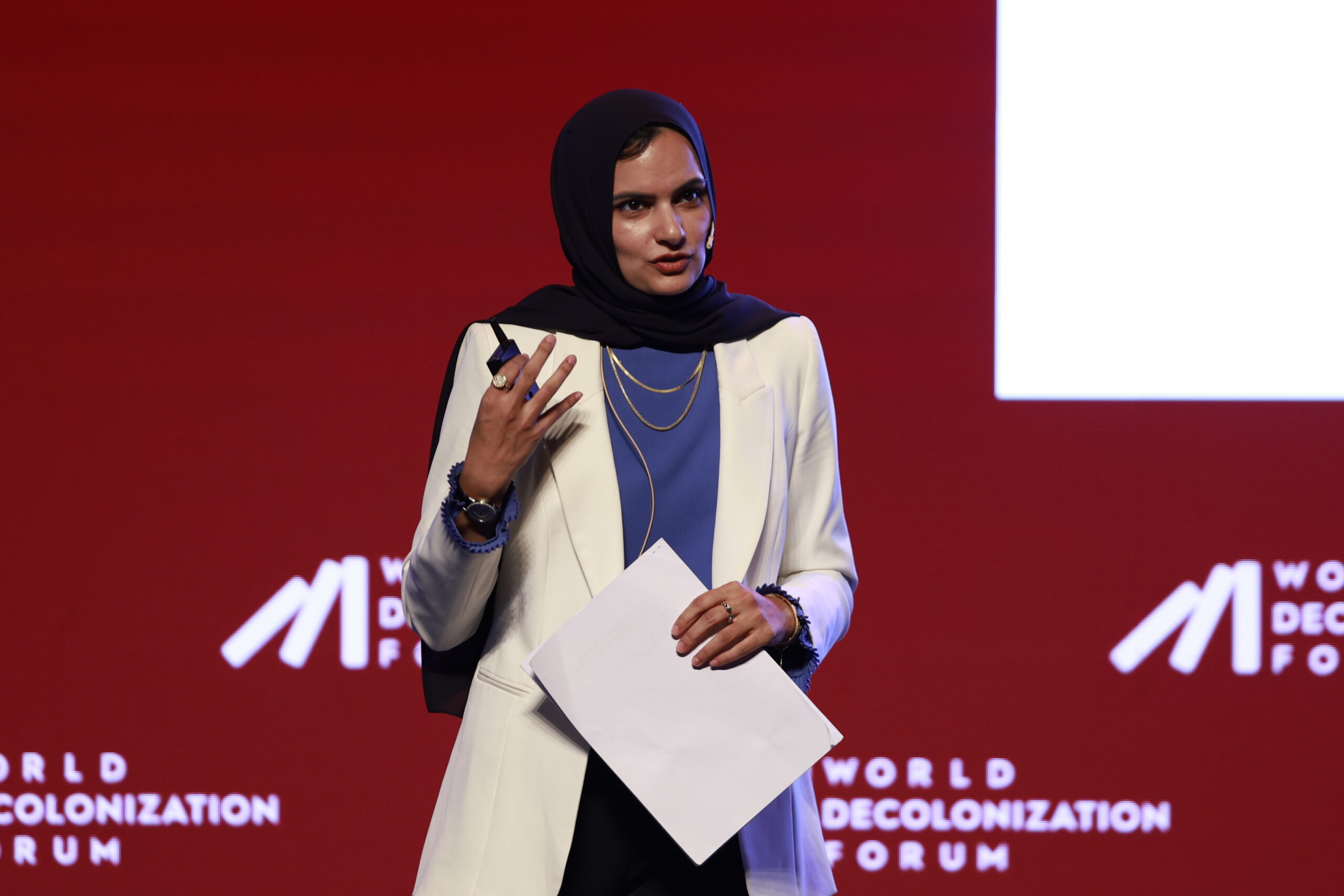
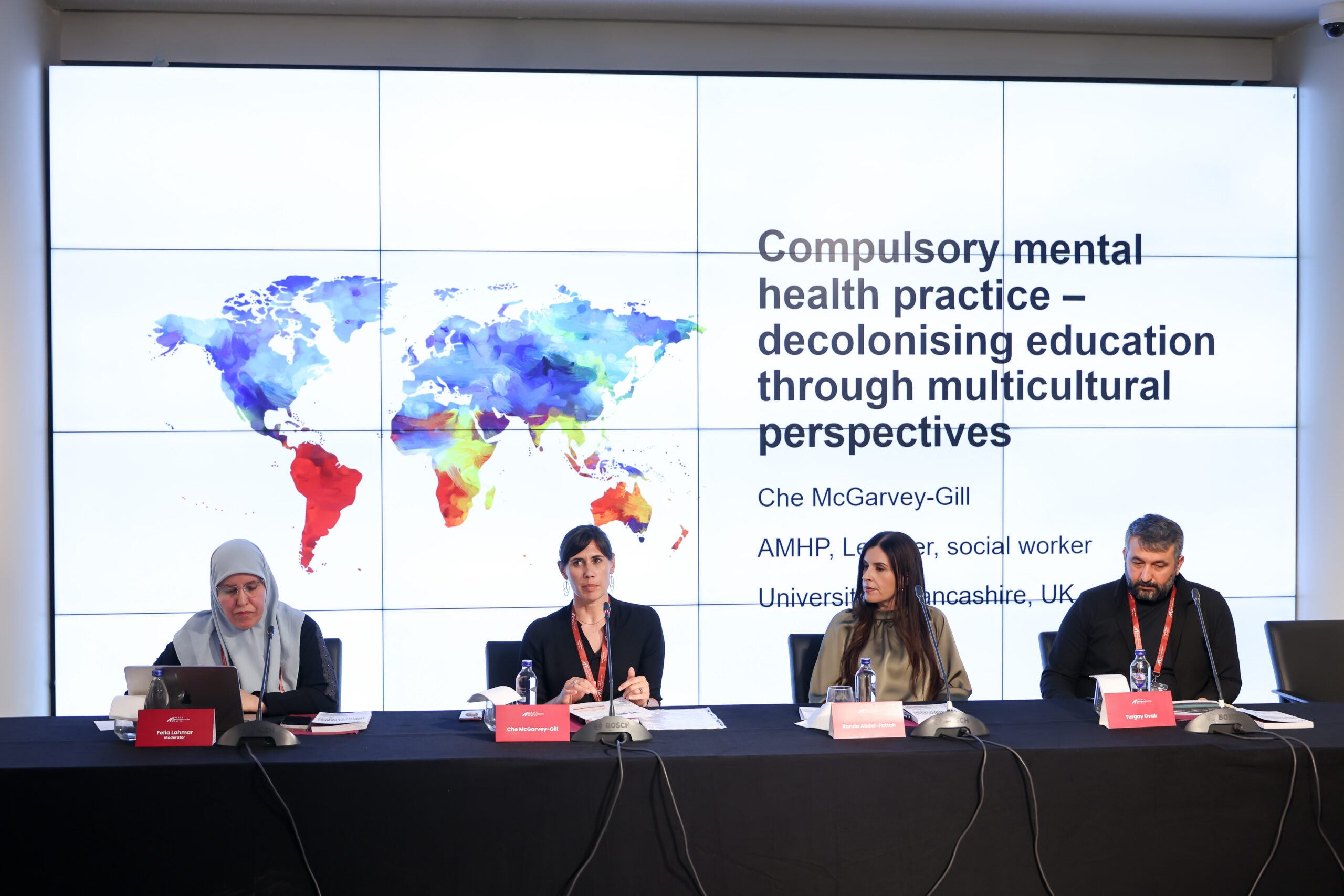
In the second day’s sessions, media was examined as a field of power in which certain narratives are produced, certain actors’ voices enter into circulation, and certain geographies are represented. The legitimization of settler colonialism in Palestine through the hollowing out of international law was brought to the table.
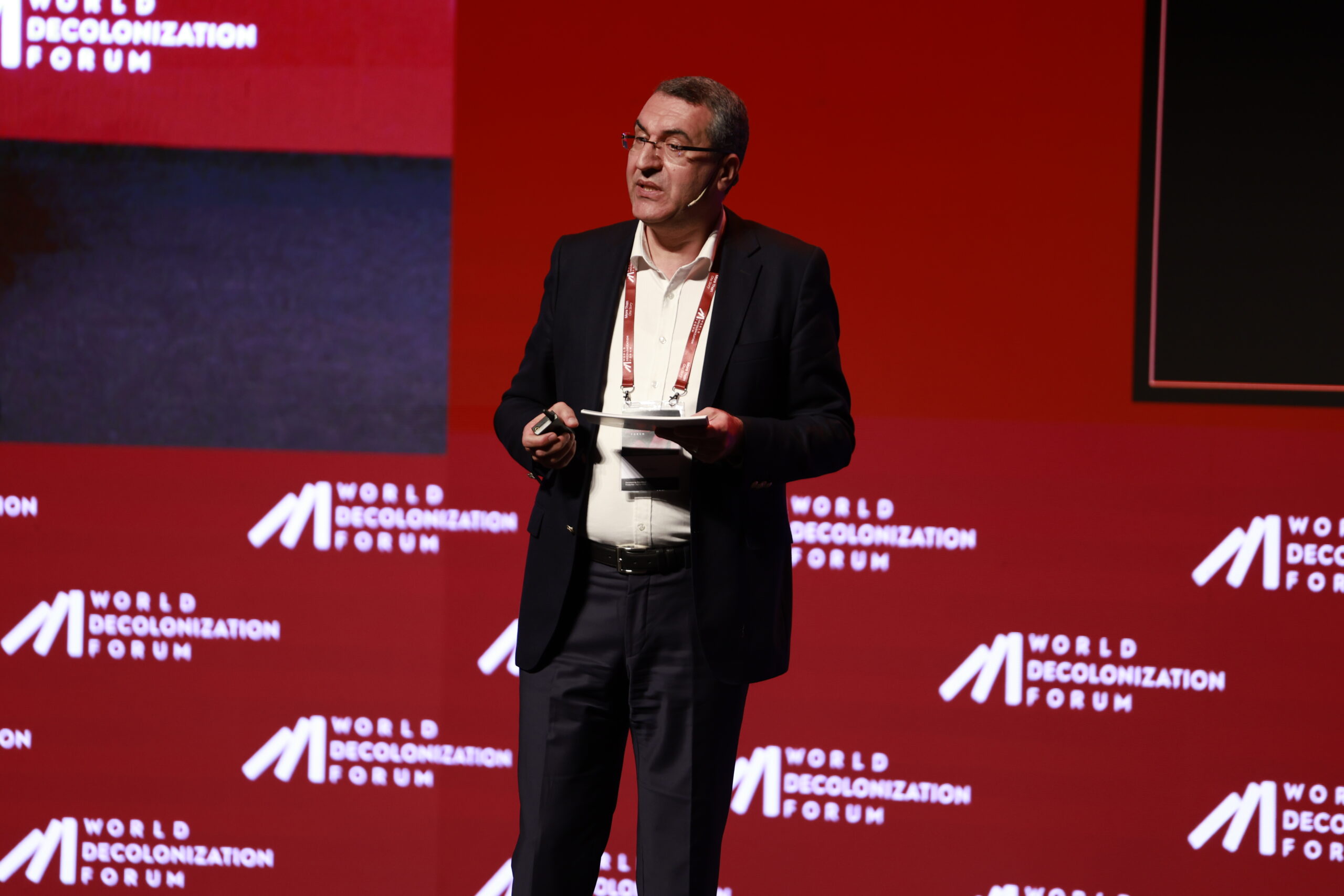
As the debate on epistemic dependency was carried into the economic-political domain, topics examined included the relationship between coloniality and categories such as development, the developed, and the underdeveloped; the reading of monetary policy as a form of colonialism; and models of economic governance and development in the Islamic world.
“Institutional Racism in Sport Persists”
The forum’s final conversation was held under the moderation of Stephan Ortega, with Guadeloupean-French activist and former footballer Lilian Thuram. Having won the 1998 FIFA World Cup and UEFA Euro 2000 with the French national team and retiring as the most-capped player in French football history, Thuram founded Education Contre Le Racisme following his retirement from the game in 2008. In the conversation, Thuram recounted first confronting racism at the age of nine upon arriving in Paris, stating: “Football is a mirror of society.
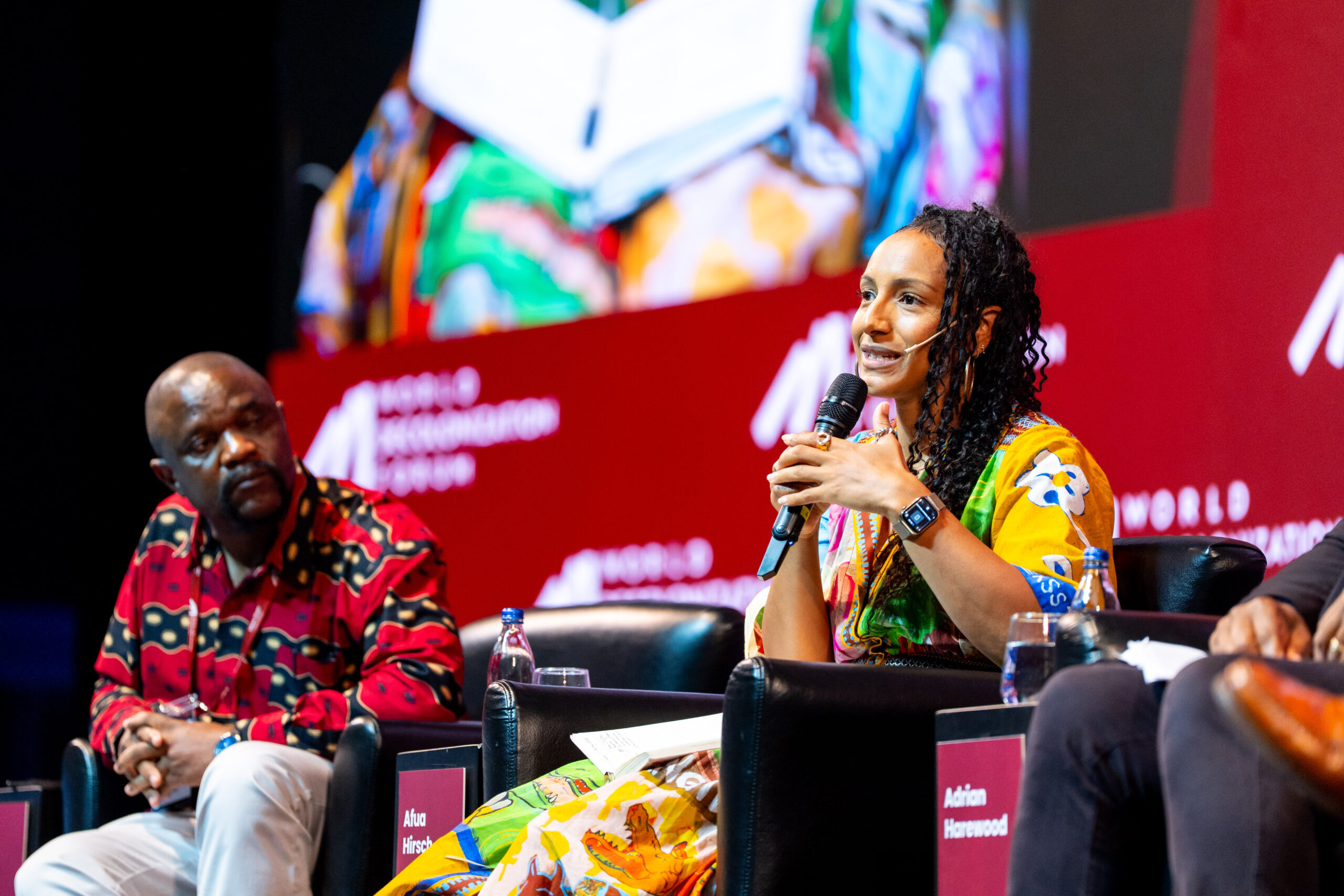
When a banana was thrown at the Bordeaux goalkeeper, when people made monkey
gestures at me in Italy, this was not just an insult but a mentality taught over generations playing out on the pitch. When one Black person is humiliated, every Black person feels it.Not seeing racism is more dangerous than racism itself. Yet today, when athletes speak out, many politicians tell them: ‘Stay in your lane, just play sport, leave social issues to us.’ I think it is the complete opposite. We need education and policies that encourage athletes tonspeak up, because this strengthens free expression and makes it easier for everyone to raise their voice.” In doing so, he pointed to racism on the pitch as a manifestation of racism in society. Thuram argued that the persistence of colonialism in the human mind can find concrete expression through sport and popular culture, and emphasized that expressions such as “know your place, just play sport” directed at athletes amount to a structural pressure aimed at depoliticizing athletes and suppressing their voices in the public sphere. Thuram underscored that symbolic and performative gestures cannot substitute for concrete institutional transformation. Drawing on historical experience, he argued that genuine change has never emerged from within institutions themselves, and that what compels institutions to transform has always been individual and collective pressure from the outside. In this context, he emphasized the necessity of athletes, activists, and the public maintaining sustained pressure on institutions.
Istanbul Perspective: Call for a Decolonial Consensus
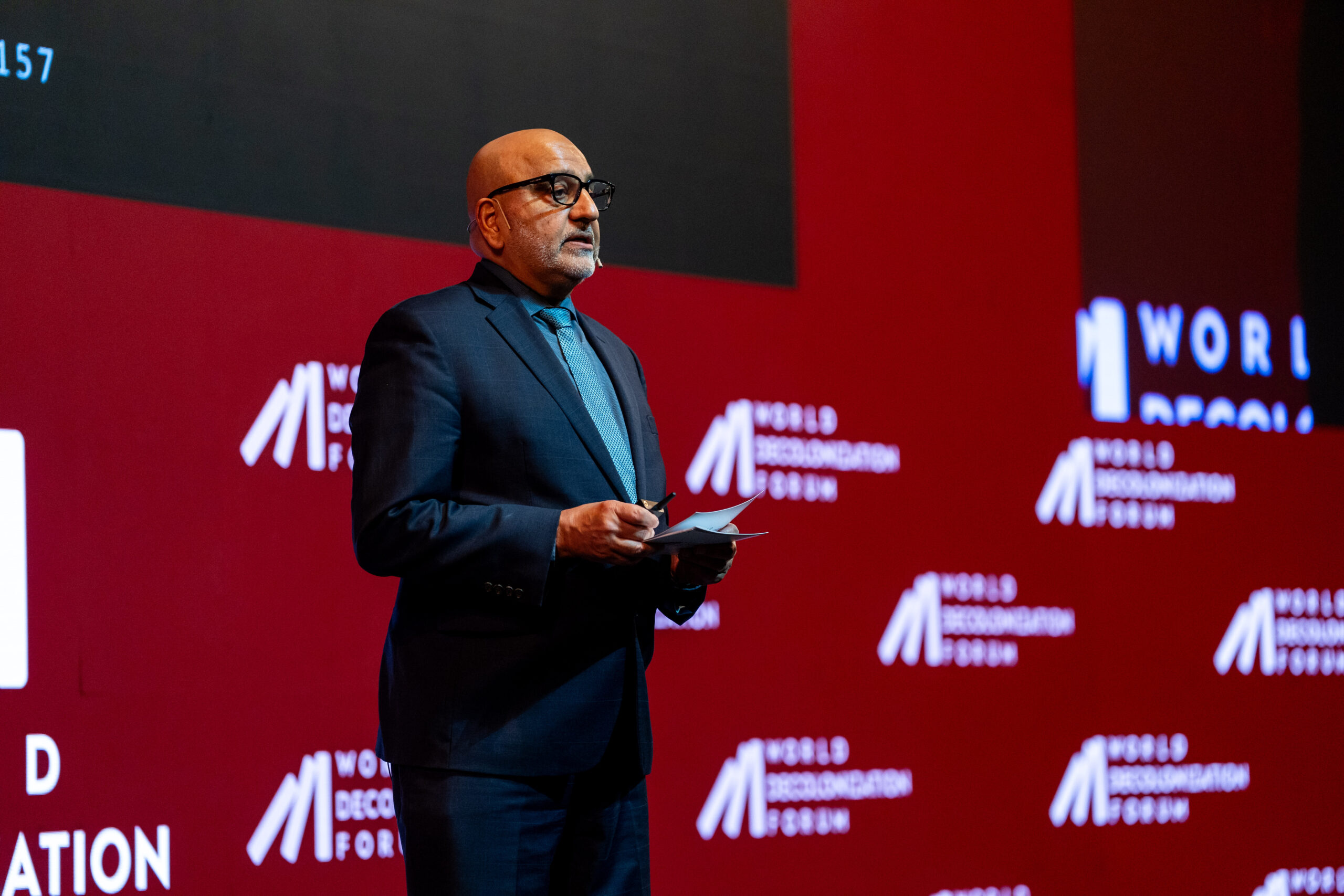
The forum’s closing session was held under the moderation Head of Scientific Committee
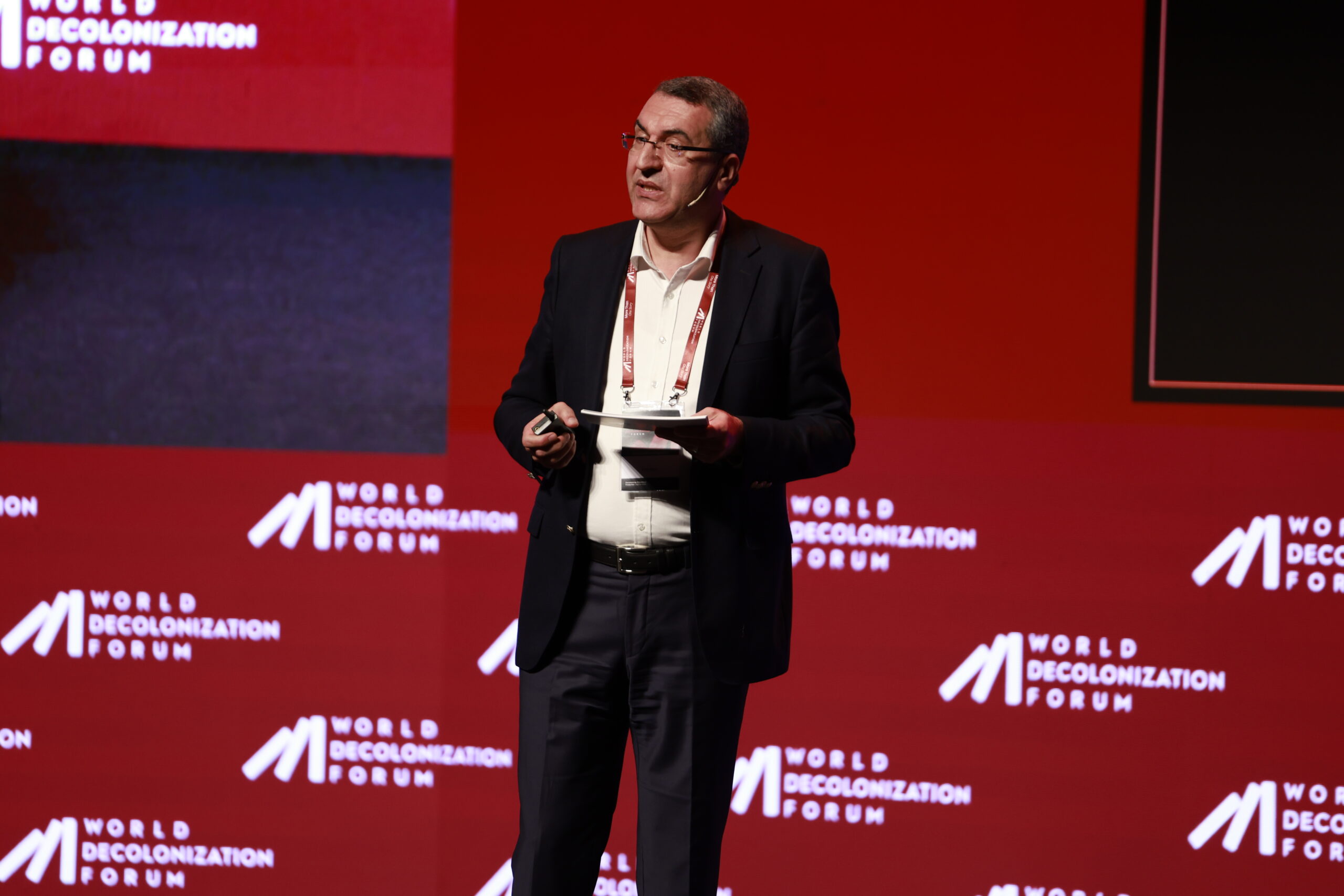
Chair Selçuk Aydın, with the participation of Scientific Committee members İpek Coşkun Armağan, Anne Norton, Walter Mignolo, Joseph Massad, Syed Farid Alatas, and Siba N’Zatioula Grovogui. The closing address, delivered by Selçuk Aydın, presented within an
analytical framework the themes addressed across the two-day forum: epistemic dependency, the persistence of coloniality, digital colonialism, Palestine as the most immediate example of settler colonialism, and the Istanbul Perspective articulated by the forum. It was emphasized that “while colonial regimes have largely come to an end, coloniality (racial, linguistic, cultural, and epistemic domination) continues to occupy the very center of contemporary global structures.”
Attention was drawn to the fact that the exploitation of resources and territorial occupation have been supplanted by cultural homogenization and systematic
economic dependency, while mental and psychological domination continues to take on new forms as an instrument that never becomes obsolete. It was stated that “coloniality is also present in the digital sphere, producing new forms of domination through artificial intelligence and algorithmic mechanisms that direct human attention, memory, imagination, and desires.” It was noted that the forum proposes decolonization as a mutual process of humanization requiring the West to free itself from the “master complex”, the “hubris of the zero point”, and the illusion of superiority. The address made clear, in forceful terms, that the forum and the Istanbul Perspective are not about establishing a new counter-centre but about pluralizing the very idea of the centre.
Finally, it was expressed that the forum has emerged not merely as a singular event but as a living and dynamic intellectual platform, and that what has taken shape among the host and partner institutions constitutes the beginning of a consensus around “the generation of enduring scholarship, the development of alternative frameworks of thought, and the production of coordinated responses to the evolving forms of colonialism in our age.