STRATEGIC COOPERATION BETWEEN LONDON AND ANKARA
STRATEGIC COOPERATION BETWEEN LONDON AND ANKARA IN A CHANGING GLOBAL ORDER: NEW HORIZONS IN NATO AND THE GLOBAL SECURITY ARCHITECTURE
By Prof. Dr. Mesut Hakkı Caşın – Ankara
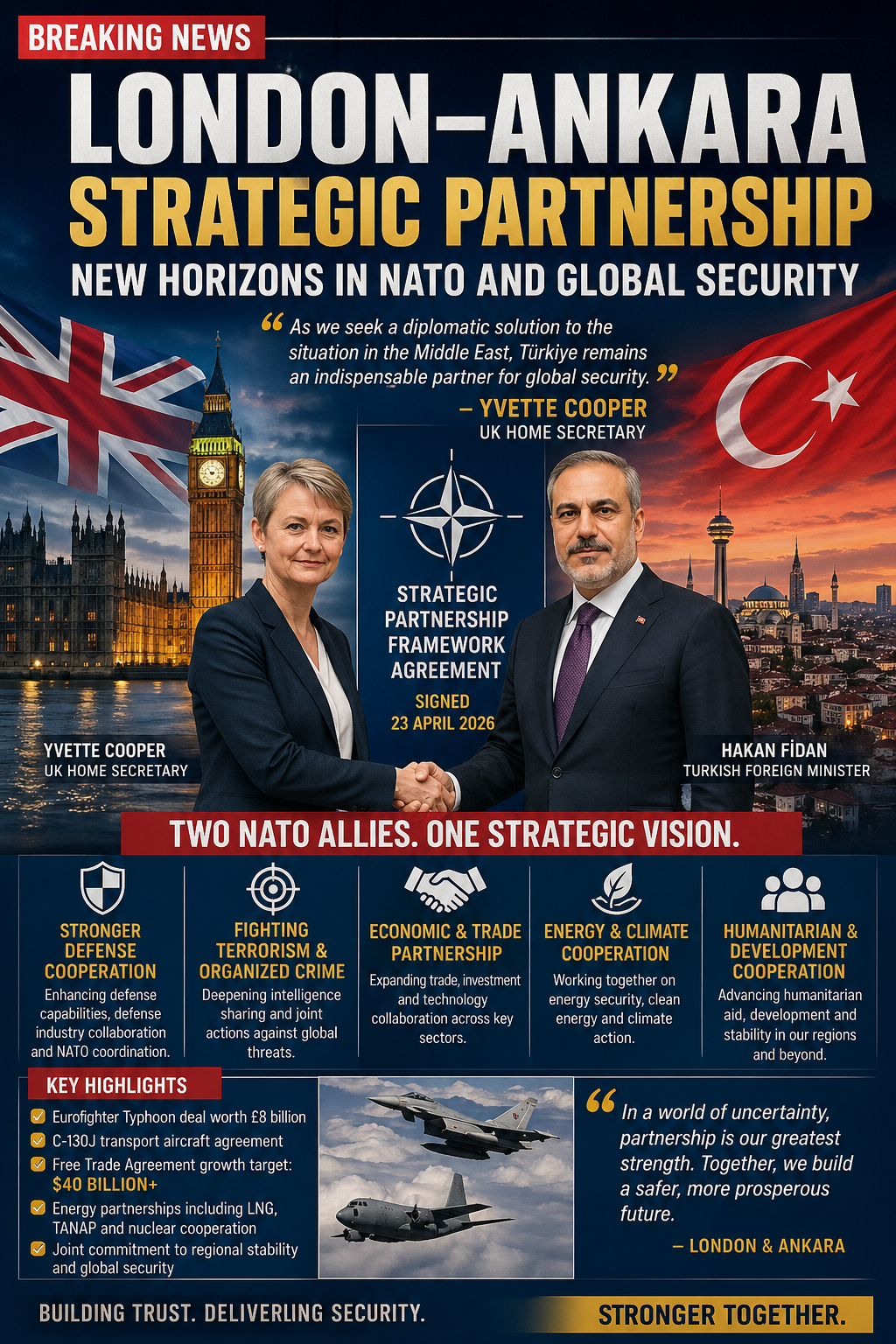
“As we seek a diplomatic solution to the situation in the Middle East, Türkiye remains an indispensable partner for global security.”— Yvette Cooper
INTRODUCTION
In the second quarter of the 21st century, as conflicts and crises within the international system become more complex, less predictable, and increasingly interconnected, the global order is no longer bound by common legal rules and norms. Against the backdrop of the Russia–Ukraine War, the Israel–Gaza War, tensions resembling a potential U.S.–Iran confrontation, and the US–China Trade War, international institutions such as United Nations, NATO, and European Union have struggled to produce effective solutions.
Simultaneously, a new energy crisis triggered by tensions in the Strait of Hormuz, along with rising religious extremism and hatred, is fueling a dangerous global instability. In this context, the rapid acceleration of historical developments places all states—particularly Türkiye and the United Kingdom—at the center of a highly sensitive geopolitical transition.
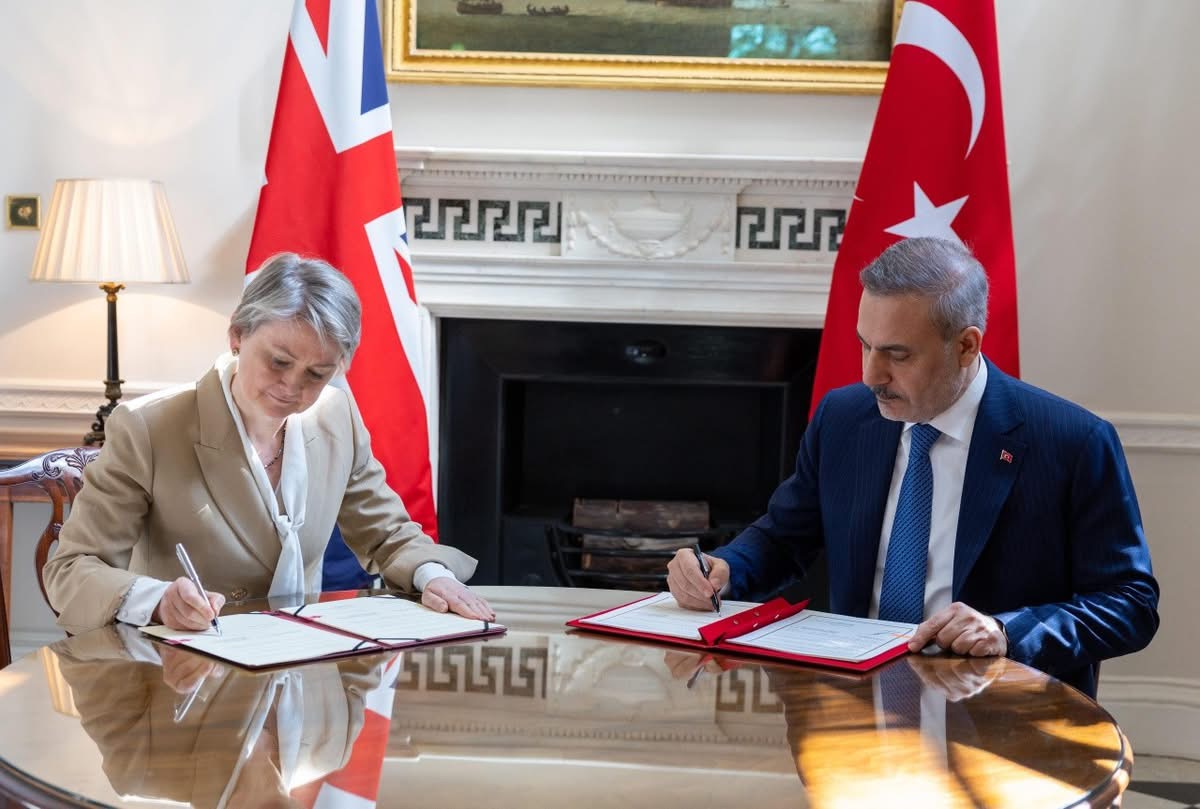
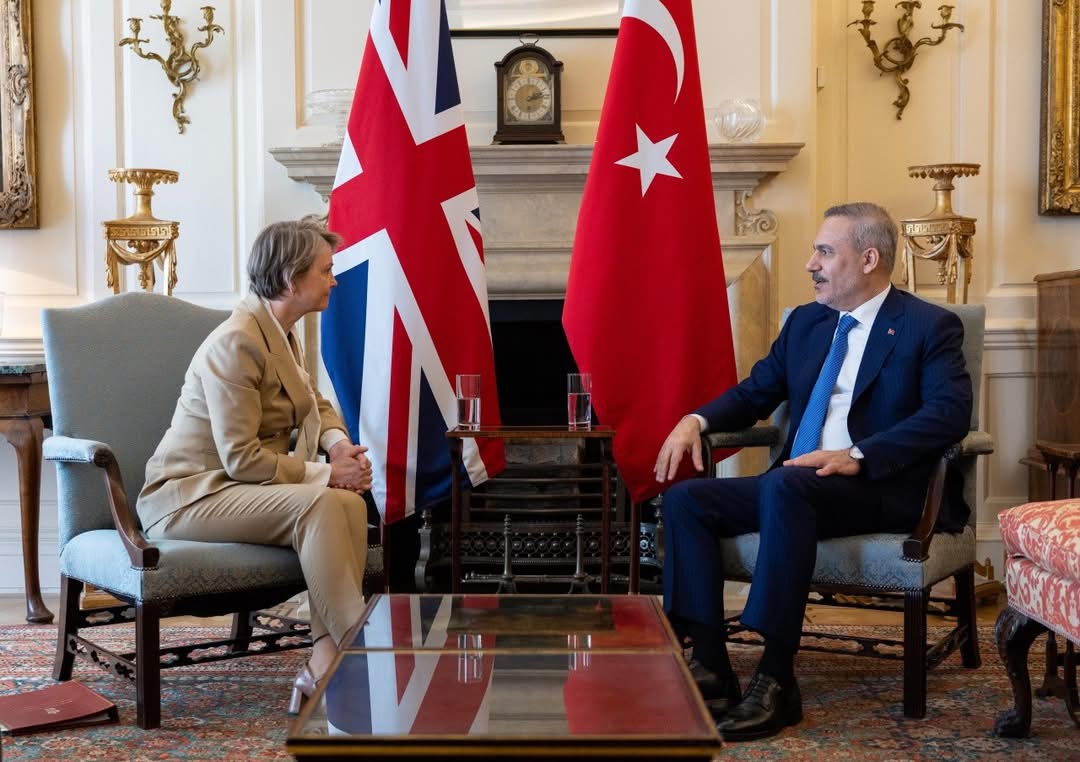
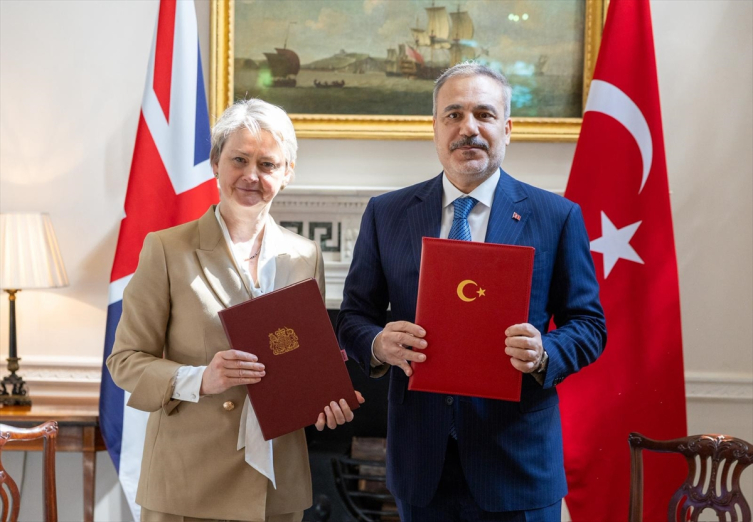
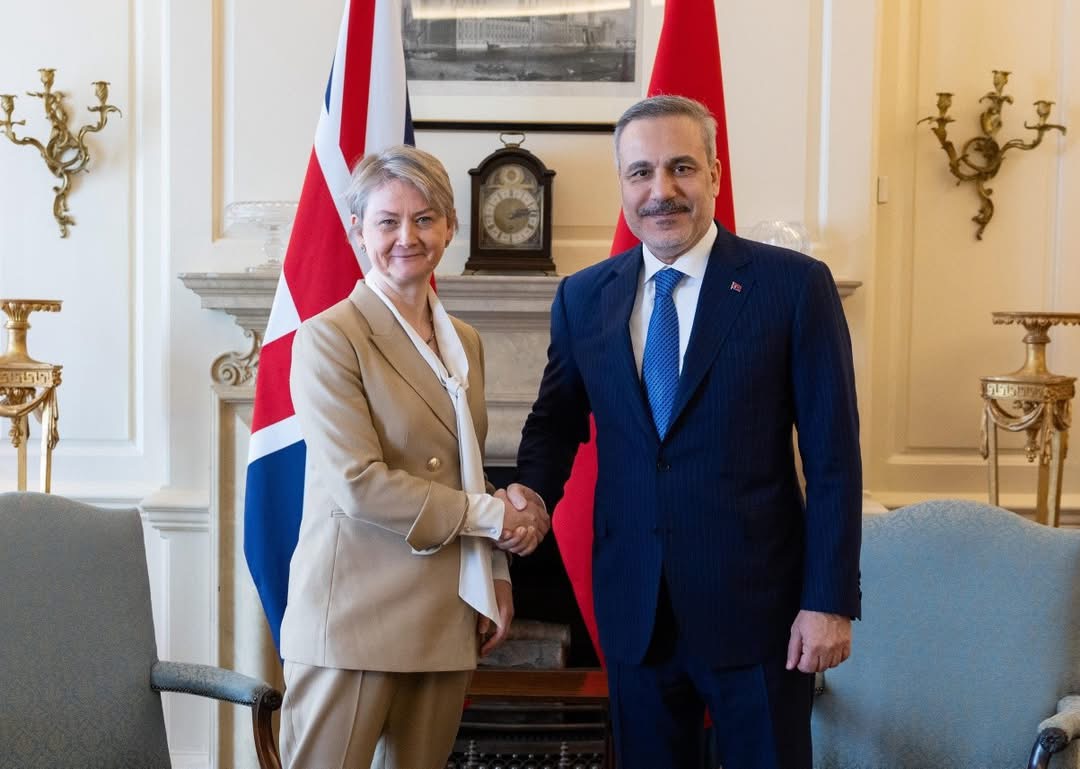
In a world where peace, mutual trust, and stability are increasingly replaced by uncertainty and unpredictability, states are seeking to redesign their strategic roadmaps alongside reliable partners capable of managing radical uncertainty. It is precisely at this juncture that London in the Atlantic and Ankara in the Mediterranean have taken a significant step by signing a “Strategic Partnership Framework Agreement,” deepening ties between two key NATO allies. The agreement was signed by Hakan Fidan and Yvette Cooper.
This framework aims to strengthen coordination within NATO, enhance defense capabilities and industrial cooperation, combat terrorism and organized crime, and advance humanitarian and development collaboration. It marks a new phase of structured, long-term cooperation between the two nations.
1. DIMENSIONS OF TURKIYE–UK COOPERATION IN REALPOLITIK
Signed on April 23, 2026—Türkiye’s National Sovereignty Day—the agreement signals the gradual construction of a new security architecture amid shifting power balances. It represents a turning point, transforming an already deepening partnership—especially after the Russia–Ukraine War—into a long-term strategic alliance.
Historically, Türkiye and the United Kingdom stood on opposing sides during World War I, yet aligned during the Cold War against communist expansion. Today, the question arises: can these two powers contribute to resolving crises such as Ukraine, Gaza, and tensions in the Strait of Hormuz?
Following Brexit, the UK’s “Global Britain” vision seeks diversified trade partnerships. Türkiye emerges as a key partner across defense, aerospace, maritime, energy, agriculture, artificial intelligence, and advanced technologies. The Free Trade Agreement effective since January 1, 2021, has further reinforced this trajectory.
Despite maintaining its position as a major military power within NATO, the UK faces challenges including reduced troop numbers, budget constraints, and declining naval capacity—highlighting a widening gap between strategic ambition and operational capability.
Türkiye, on the other hand, ranks among the world’s top military powers, with a strong domestic defense industry and strategic geographic position. However, tensions with the United States—particularly over sanctions and exclusion from the F-35 program—have pushed Ankara to diversify its defense partnerships.
2. CAN THE LONDON–ANKARA SECURITY PARTNERSHIP BE SUSTAINABLE?
Türkiye and the UK offer complementary capabilities. For Ankara, cooperation with London provides access to advanced defense technologies without the political constraints often experienced with the United States. For London, Türkiye represents a strategically positioned partner with extensive operational experience across multiple regions.
Post-Brexit, the UK seeks flexible and independent decision-making in trade and foreign policy, while viewing Türkiye as both a significant market and a geopolitical gateway to the Middle East, Central Asia, and Eastern Europe.
This partnership extends beyond defense into energy, climate action, and technological innovation. For instance, Shell is expected to supply LNG to Türkiye starting in 2027, while BP remains a key partner in the TANAP pipeline project. Cooperation with Rolls-Royce on small modular nuclear reactors further highlights the strategic depth of this relationship.
Trade between the two countries continues to grow, with projections exceeding $40 billion in the coming years. The UK remains one of Türkiye’s top export markets.
CONCLUSION AND EXPECTATIONS
The Strategic Partnership Framework between London and Ankara marks the beginning of a new era, reflecting shared vital interests and a proactive approach to global uncertainty. Much like the prelude to major historical shifts, this agreement represents a calculated effort by two experienced state actors to position themselves against emerging global risks.
As global alliances become more fluid and unpredictable, this partnership offers a model based on complementarity rather than competition. Türkiye’s strengths in production, defense, and geostrategy align with the UK’s advantages in finance, law, and global networks.
Ultimately, in an increasingly multipolar and fragmented international system, the London–Ankara partnership has the potential to evolve into a resilient and functional alliance—provided it is managed with strategic foresight and mutual trust.

Ignoring a dynamic country like Türkiye, with its population of 85 million and growing capabilities, would be a historic miscalculation. Within this context, the UK–Türkiye Strategic Partnership stands as a key component of the broader transformation within the Western alliance system.
As uncertainty rises, capable actors are building flexible and durable cooperation networks. This initiative will not only deepen bilateral ties but also strengthen NATO coordination, expand defense industry collaboration, and enhance joint efforts against terrorism and organized crime.