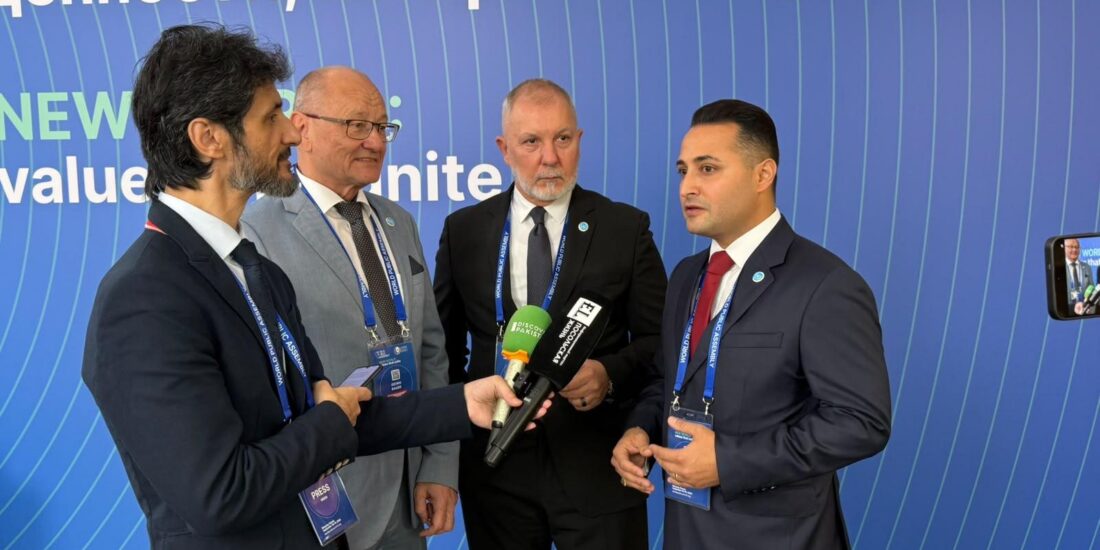
HALİL SERT’S VISION FOR GLOBAL PEACE: FROM CEASEFIRE TO LASTING PEACE
INTERNATIONAL RELATIONS | PEACE DIPLOMACY
Halil Sert, elected International President of DMW Diplomaten International (Diplomats Association), emphasised that the sustainability of global peace depends not only on political agreements but also on the practical implementation of diplomatic decisions on the ground, the protection of civilians and the restoration of social trust. Offering significant assessments on a wide range of issues, from the United Nations’ crisis response processes and civil society diplomacy to inclusive decision-making mechanisms and Türkiye’s role in international cooperation, Sert, stated that he would prioritise tangible projects aimed at youth education and employment during his new presidential term.
While the declaration of a ceasefire represents a significant diplomatic milestone in halting armed conflict, the establishment of lasting peace involves a far more comprehensive process. The ability of displaced families to return safely to their homes, children to resume their education and communities to overcome the social consequences of war is directly linked to the extent to which decisions taken at the negotiating table are implemented.
In his assessments shared with The Best Magazine Halil Sert, International President of DMW Diplomaten International, emphasised that the success of international diplomacy should be measured not merely by bringing parties together around the same table, but by the tangible changes that the decisions taken bring to people’s lives.
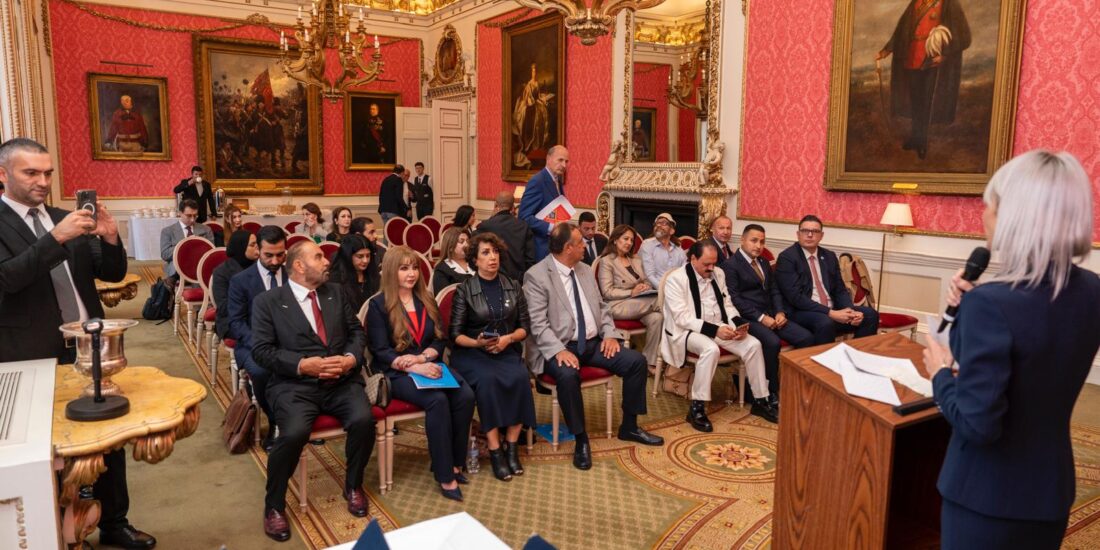
At the International Humanitarian Peace Awards programme held in London in September 2026, Sert addressed post-war recovery processes through the future prospects of young people. In 2024, he also participated in a meeting at the United Nations (UN) Office at Geneva, taking part in discussions concerning the rights of persons with disabilities and accessibility.
These two international platforms in London and Geneva illustrate different dimensions of Sert’s approach to peace, human rights, social participation and international cooperation.

Building trust and establishing common ground in diplomatic negotiations
Highlighting the significant distinction between initiating a negotiation process in international relations and achieving tangible results through that process, Sert stated that mutual understanding and patient dialogue play a decisive role in enabling parties to find common ground despite their differing expectations.
Drawing on an example from a diplomatic meeting in which he personally participated, Sert explained that the parties initially had considerably different expectations and that reaching an agreement did not appear straightforward. However, by listening carefully to one another and openly communicating their priorities, the parties achieved a more constructive outcome than had initially been anticipated.
Emphasising that this achievement was the result of mutual understanding and collective effort rather than an individual accomplishment, Sert stated:
“I cannot say that I achieved this alone; mutual understanding and teamwork were decisive. This experience showed me that even outcomes that appear difficult can become possible when dialogue is pursued with patience.”
The United Nations, humanitarian diplomacy and the protection of civilians
Addressing the importance of activating humanitarian aid mechanisms when political agreements are delayed during crisis negotiations conducted under the auspices of the United Nations, Sert stated that diplomatic negotiations and efforts to address urgent humanitarian needs should be pursued simultaneously.
Noting that no single approach would be sufficient to resolve crises, Sert called for stronger coordination with humanitarian organisations while political negotiations continued, stressing that the necessary contacts to ensure the safe and impartial delivery of aid to civilians should not be delayed.
He emphasised that such measures were not an alternative to political agreement but could respond to people’s urgent needs.,
“Our priority should be to contribute, within the limits of available resources, to the protection of civilians and their access to humanitarian aid.”

Halil Sert;
The relationship between official diplomacy and civil society diplomacy
The interruption of official diplomatic contacts during international crises should not mean the complete closure of communication channels between the parties.
Stating that civil society organisations can create a more flexible, trust-based and constructive environment for dialogue during such processes, Sert defined the role of DMW Diplomaten International not as replacing official diplomacy, but as contributing to the restoration of interrupted dialogue.
Citing the World Peace People’s Conference, in which DMW also participated, Sert explained that they had contributed to bringing participants from different sides together on the same platform, addressing shared concerns and discussing potential areas of cooperation.
Emphasising that the outcomes of such initiatives should be assessed without overstating their significance, Sert noted that these contacts helped strengthen mutual trust and keep communication channels open.
From London to global peace: Post-war social reconstruction
Drawing attention to the future of young people in the aftermath of war at the International Humanitarian Peace Awards programme held in London in September 2026, Sert stated that whether a ceasefire had evolved into lasting peace should be assessed through social indicators.
According to Sert, the extent to which young people experience security and stability in their daily lives during the first year following a ceasefire constitutes an important criterion for evaluating the success of the peace process.
The ability of young people to attend school regularly, access education and employment opportunities, and make their voices heard in decision-making processes are among the fundamental indicators of post-war social recovery.
Noting that no single indicator would be sufficient to demonstrate that lasting peace had been established, Sert expressed his assessment in the following words:
“The restoration of hope and opportunities in the lives of young people indicates that a ceasefire is beginning to evolve into genuine peace.”
From Geneva to inclusive diplomacy: Representation, accessibility and decision-making mechanisms
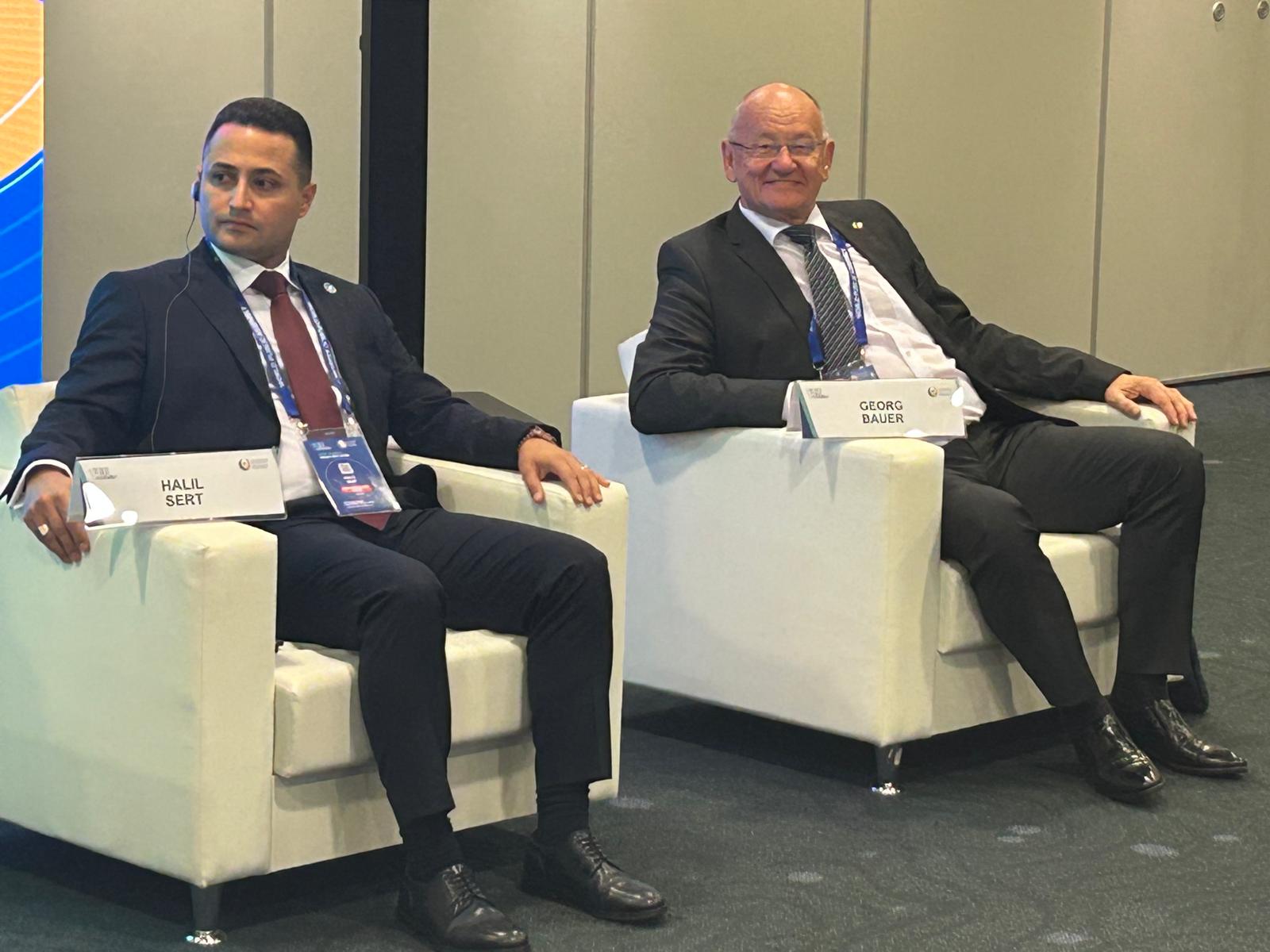
Addressing the rights of persons with disabilities and accessibility issues raised during a meeting he attended at the United Nations Office at Geneva, Sert emphasised the need to structure international decision-making mechanisms through a more inclusive approach.
Stating that international meetings should be designed from the outset with the direct participation of persons with disabilities, rather than being made accessible to them retrospectively, Sert highlighted the importance of ensuring that persons with disabilities and their representative organisations have a voice throughout the process, from setting the agenda to monitoring the implementation of decisions.
Emphasising the need to provide accessible meeting venues, appropriate communication support and documents in different formats in advance, Sert noted that representation should not be limited merely to physical participation.
“In this way, participation is not limited merely to being present at a meeting; it can genuinely shape the decisions taken.”
Halil Sert;
This approach envisages accessibility on international platforms not merely as a technical arrangement, but as a matter of the right to representation and effective participation in decision-making processes.
Türkiye’s international diplomatic initiatives and the strategic responsibility of the Turkish business community
Offering his assessments of Türkiye’s experience in international dialogue and cooperation, Halil Sert stated that the country’s capacity to bring different nations together on common platforms should be supported by tangible projects aimed at the future of young people.
“Türkiye makes significant contributions to dialogue and cooperation by hosting international conferences that bring different countries together around the same table.”
Halil Sert;
Highlighting the importance of supporting Türkiye’s diplomatic experience in this field through education, professional development and employment opportunities, Sert noted that young people do not always have access to opportunities that enable them to apply their acquired professional skills in working life.
Emphasising the importance of the Turkish business community providing young people with more internships, mentoring and employment opportunities appropriate to their qualifications, Sert stated that such cooperation would both facilitate young people’s transition from education to professional life and contribute to Türkiye making more effective use of its skilled human resources.
DMW’s strategic priority in the new presidential term: From education to employment
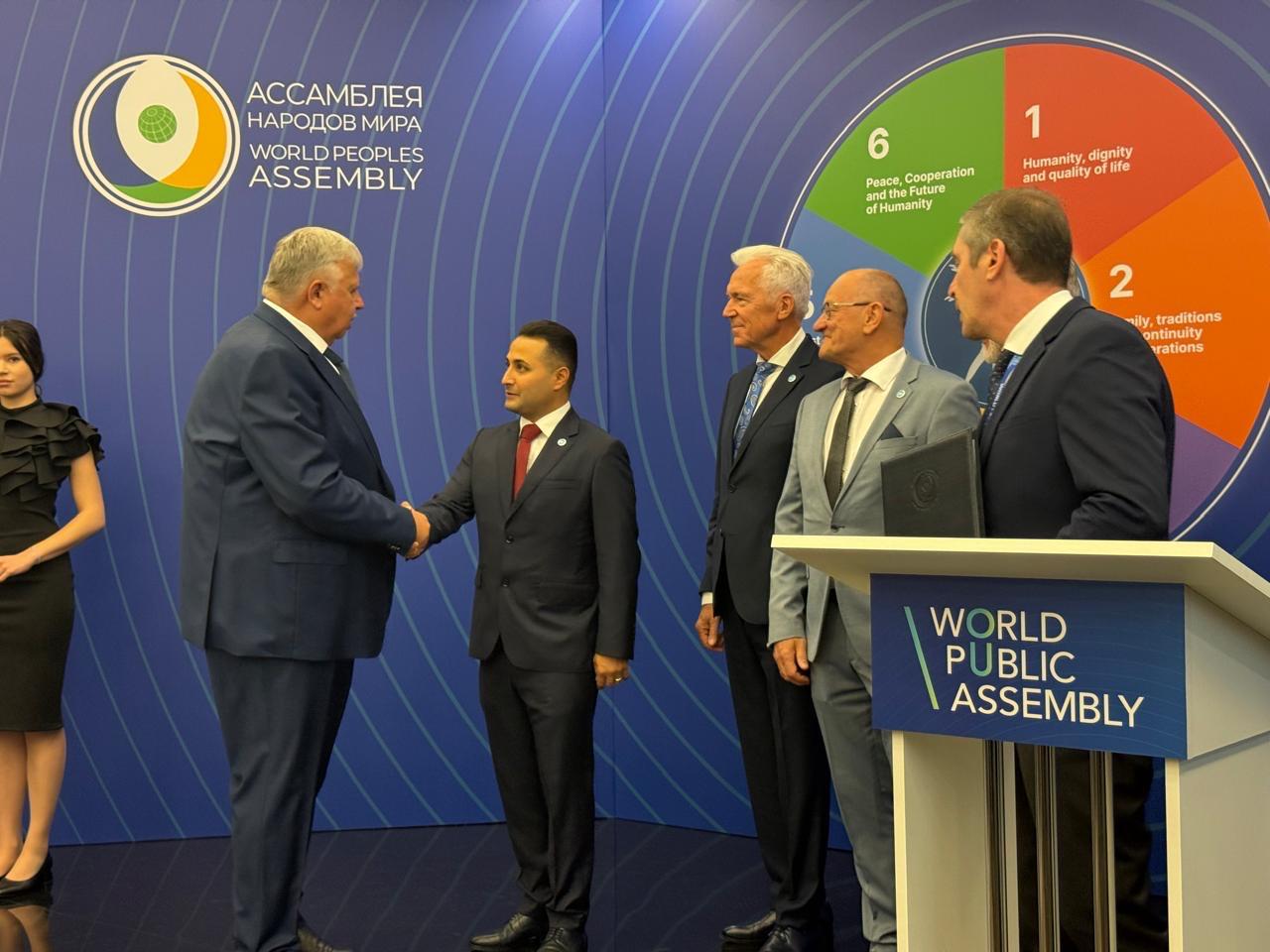
Sharing his objectives for his first year as International President of DMW Diplomaten International, Halil Sert announced that he wished to personally oversee cooperation initiatives that would enable young people to translate their vocational training into employment opportunities.
Aiming to bring young people, educational institutions and the Turkish business community together within a common framework of cooperation, Sert identified the development of internships, mentoring and pathways into employment as one of the priority areas of his new presidential term.
He defined the tangible objective he wished to achieve during his first year in office as the establishment of a pilot programme shaped by the needs of young people, supported directly by the business community and providing its initial participants with internship or employment opportunities.
Sert stated that, should such a programme be implemented, he would consider the initiative to have achieved its intended purpose.
Verifiable outcomes and measurable progress in diplomatic negotiations
Offering advice to young colleagues interested in diplomacy, Sert stated that in negotiation environments where the parties do not trust one another, progress should be pursued through small and verifiable outcomes that build trust, rather than waiting for trust to emerge spontaneously.
Highlighting the importance of listening separately to the fundamental concerns of each party, identifying limited areas in which agreement may be possible and taking tangible steps in those areas, Sert identified access to humanitarian aid, the situation of detainees and the exchange of information on technical matters as potential areas of cooperation.
Emphasising that the responsibilities undertaken, the implementation timetable and the outcomes achieved should be monitored together, Sert noted that the fulfilment of an initial commitment could provide a tangible foundation for subsequent diplomatic negotiations.
“What matters in diplomacy is not telling everyone that they are in agreement, but being able to achieve meaningful, measurable progress even while disagreements persist.”
Halil Sert;
Halil Sert’s assessments demonstrate that international diplomacy is not confined solely to political negotiations and reconciliation processes, but should also be considered alongside the dimensions of humanitarian responsibility, social trust, inclusive representation and sustainable development.
From this perspective, lasting peace is regarded as a long-term process that extends beyond the signing of diplomatic agreements, in which the decisions taken are reflected in people’s lives, social trust is restored and tangible opportunities are created for future generations.